President Bola Tinubu has highlighted the need for Nigerians to pay their taxes for the government to meet their infrastructure development demands.
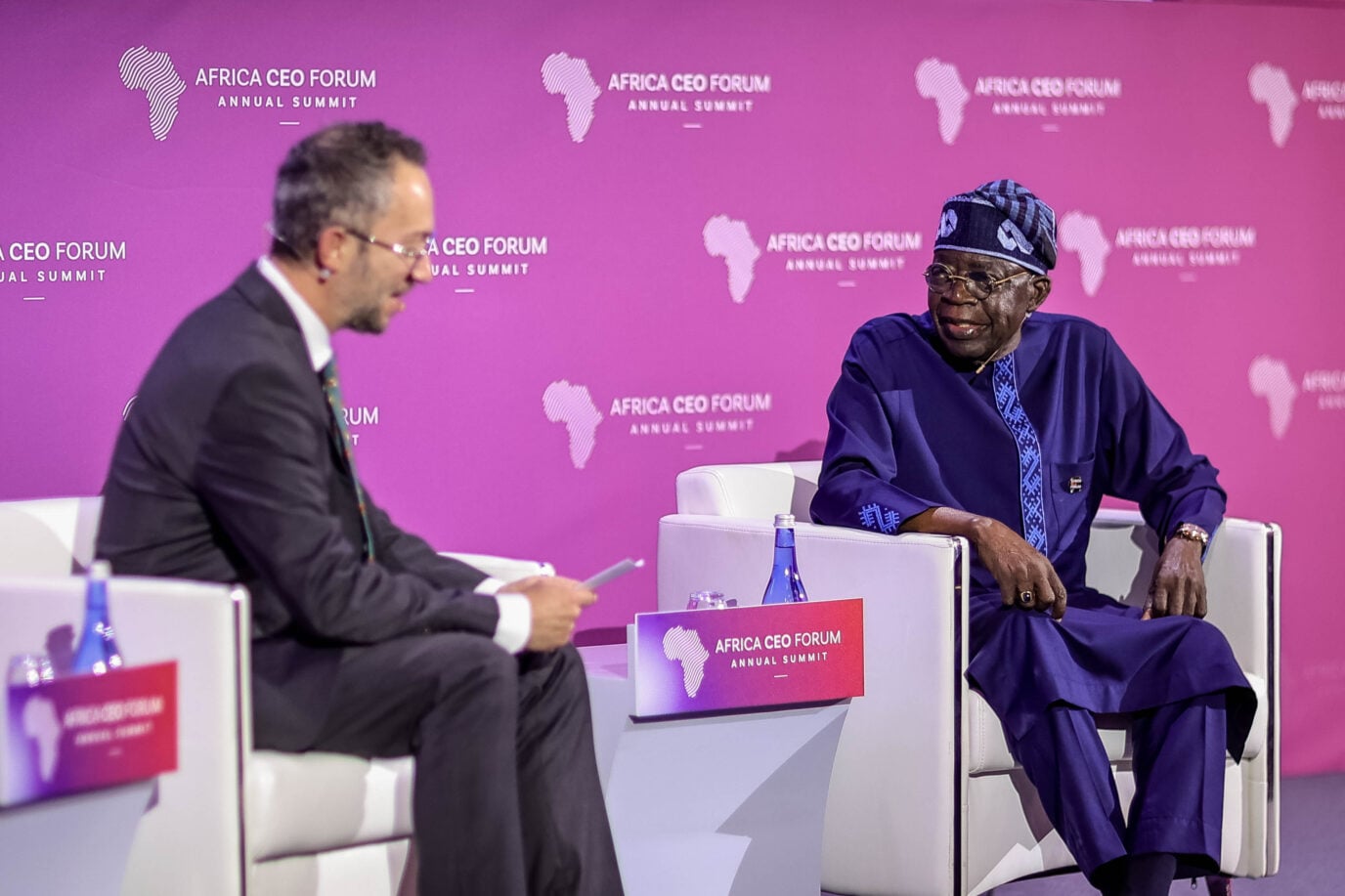
Speaking at the ongoing Africa CEO Forum on Friday in Kigali, Rwanda, Tinubu said Nigerians want well-equipped hospitals but do not want to pay tax, while some want good roads but do not want the construction to go through their property.
“Nobody wants to pay taxes. Taxation is not friendly to the wealthy, middle class, and to the poor,” he said.
“Every human being expects development, but the question they don’t answer is how do you pay for it. You want a good highway, but you don’t want it to go through your land.
“You want good and well-equipped hospital, and you don’t want to pay taxes, how do we care for the vulnerable, and how do you protect the future of the children. How do you even research and develop? The pharmaceutical industry, we remember COVID-19; we remember what happened to the world at large.
“So in the world where you can’t predict what exactly you are doing, you must think from where the source and application of funds should be engineered.
“Tax is a priority. A citizen who pays tax is a citizen, whether corporate or individual. If you are not a taxpayer and not exempted, then you are not a citizen.”
Tinubu also defended his reforms at the early stage of his tenure, saying reform is a very difficult decision but necessary.
The president said the country cannot continue to spend ïts future generations’ endowment before they are born.
“It was very necessary to reset, recalibrate and reform the economy. It is a fake life to think you can, in a global economy, continue the subsidy that is wasteful, it is an encouragement for falsification of papers, (and) smuggling,” he said.
“And that is a very critical situation for the country. When you look at the economic problem of the country, and you see that you are almost going bankrupt. Of the 36 states, 27 of them were unable to pay the salaries of the workers. Where is the money?
“You are an oil producer, you are earning, you are giving fuel, you have no refinery that is functional. It is not possible to continue that trend.”
“It is difficult, it is painful, but just like a woman reproduction process, a woman carries the pregnancy, endures the pain of labour and will have a very big smile when you see the live child.”
Tinubu said he stopped reading newspapers and commentary to avoid pushback to his economic reforms.
But despite the multiple reforms his administration has carried out, from subsidy removal to unification of the naira, the president said there are more challenges facing Nigeria, so he will do more work in his second term, if elected.
He said the world would not wait for anyone, so there is a need to continue to reset, rethink, and challenge the intellectual curiosity of his government.
“The philosophy I came with in governance is believing that the hallmark of a transformative leader is the ability to take decisions, do it at the time it supposed to be done on behalf of the people,” the president said.
“If you miss that curve, you are not on the path to success. That’s what I believe. First term, took hard decisions, regardless of pain, I stopped reading newspapers and commentary because I knew I was going to get big pushback, and I did. I was sitting on a hot burner.
“But we made the curve. Today, there’s a very bright light at the end of the corner. The naira is stable, predictable, planners can do reasonable budget, they can plan their lives well, the students are in school, the vulnerable are being helped; we have a direct transfer to very poor households.”
Tinubu added that his reforms have made it possible for the government to support education for students “who ordinarily would stay out of school because their parents cannot afford school fees. They are now even giving them allowances and upkeep for their school”.