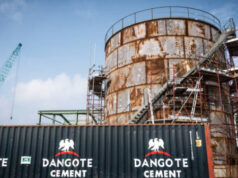
The Dangote Petroleum Refinery has again increased the ex-depot price of Premium Motor Spirit to N1,350 per litre, deepening concerns over rising fuel costs across the country.
The latest adjustment, confirmed on Wednesday, represents a N75 increase from the previous N1,275 per litre, signalling persistent volatility in Nigeria’s downstream petroleum market.
A senior official of the refinery disclosed that the new gantry price has been effected across all loading points, compelling marketers to immediately review their pricing structures.
“The new pricing template has been activated across the board. All loading points have been updated, and marketers are already responding,” the source said.
He added that the development was not an isolated move but a reflection of prevailing supply challenges and rising operational costs within the system.
The increase comes barely one week after the refinery raised its price from N1,200 to N1,275 per litre, marking the second N75 hike within seven days.
Industry insiders linked the fresh adjustment to tight supply conditions, worsened by the recent suspension of pro forma invoices, which they say created a temporary shortage in product availability.
“The suspension of PFI created a short-term supply squeeze. When combined with global crude price movements and logistics costs, an upward adjustment becomes inevitable,” another official explained.
Despite the steady rise in prices, a senior management staff of the Dangote Group had recently stated that the refinery was still subsidising petrol and diesel supplied to the Nigerian market.
Findings indicate that the refinery has adjusted its petrol prices multiple times within the past month, driven by fluctuations in crude oil costs, foreign exchange pressures, and distribution challenges.
Analysts say the development underscores the growing influence of the refinery in determining domestic fuel prices, especially as Nigeria transitions towards a deregulated market structure.
The hike is expected to trigger a ripple effect on pump prices nationwide, with marketers likely to pass on the additional cost to consumers.
For many Nigerians, the implication is immediate, as higher petrol prices could translate into increased transport fares and a further rise in the cost of goods and services.