Ramadan has begun, marking the 29 or 30 days when Muslims around the world abstain from food, drink, smoking and sexual intimacy from dawn to sunset.
Because this shift in routine might be sudden, the body may take time to adjust. Fasting for long hours without water can take a toll, particularly in hot climates. Dehydration may cause headaches, fatigue, dizziness, dry skin and reduced concentration.
Being intentional about what and how you consume food and fluids between iftar and suhoor is therefore essential.
Here are practical tips to help you stay hydrated during Ramadan.
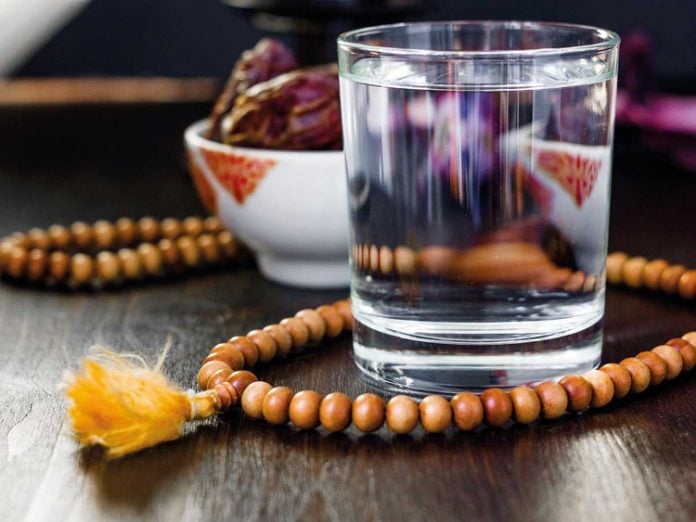
Space out your water intake strategically
Many people make the mistake of drinking a large quantity of water immediately after iftar and assuming that is enough.
The body can only absorb a certain amount of water at a time. Excess water is quickly excreted, meaning you may still get dehydrated.
Instead of drinking four or five glasses at once, spread your water intake steadily from iftar to bedtime and again at suhoor. This allows your cells to absorb fluid gradually and improves hydration retention. Slow, consistent sipping is more effective than sudden consumption.
To make it easier to drink more water, you can infuse it with lemon or cucumber slices. Soaked chia seeds can also be added, as they absorb water and release it slowly during digestion. These additions not only enhance the taste but may also support better hydration throughout the fasting hours.
Break your fast with water first
After hours without fluids, your body is in a mild dehydrated state. Starting iftar with water immediately begins replenishing lost fluids and supports digestion before heavier meals are introduced.
Also, avoid sugary drinks during iftar. Breaking your fast with sugary drinks first may cause a spike in blood sugar, leading to increased thirst shortly after.
Water prepares your stomach gently and helps regulate appetite before you eat fully.
Include high-water-content foods in your menu
Hydration does not come only from what you drink. Certain fruits and vegetables contain between 80 to 95% water.
These foods release water slowly during digestion, helping you stay hydrated longer into the fasting hours.
For example, Watermelon and cucumber have extremely high water content. Oranges and pineapples provide both fluids and natural sugars for energy. Leafy vegetables add hydration while supplying fibre and minerals.
Including these foods at suhoor will be particularly helpful because they act as a slow-release hydration source during the day.
Reduce your salt intake and processed food
Salt pulls water out of your cells, which increases thirst the next day. Foods like processed meats, instant noodles, heavily seasoned soups, and fried snacks are particularly high in sodium.
Eating salty meals at suhoor almost guarantees increased thirst the following day. Reducing sodium intake allows your body to retain fluid more effectively.
Do not skip sahoor
Aside from being a highly recommended Sunnah of Prophet Muhammad, the pre-dawn meal plays a vital role in maintaining your health during Ramadan.
Suhoor serves as your hydration reserve for the day. Even if you are not hungry, drinking sufficient water and eating hydrating foods can significantly reduce symptoms like dizziness and dry mouth.
Skipping suhoor shortens the window available for fluid intake and increases dehydration risk.
Manage physical activities and heat exposure
Hydration is not only about being intentional with what you drink, but it is also about preventing excessive fluid loss.
Sweating increases the risk of dehydration, especially during long fasting hours. It is advisable to limit strenuous activities under direct sunlight, wear breathable clothing, and stay in cool or well-ventilated environments to help preserve body fluids.
If exercise is necessary, it is often better to do it after iftar when you can immediately replenish lost fluids.
As you observe the fast, it is equally important to be mindful of the foods and drinks you consume.
While striving to fulfil your religious obligations, be intentional about protecting your health. Ramadan is not only a spiritual journey but also an opportunity to adopt healthier eating habits and build better discipline around your diet.