The Nigerian Ports Authority (NPA) has proposed a revenue target of N1.489 trillion for the 2026 fiscal year.
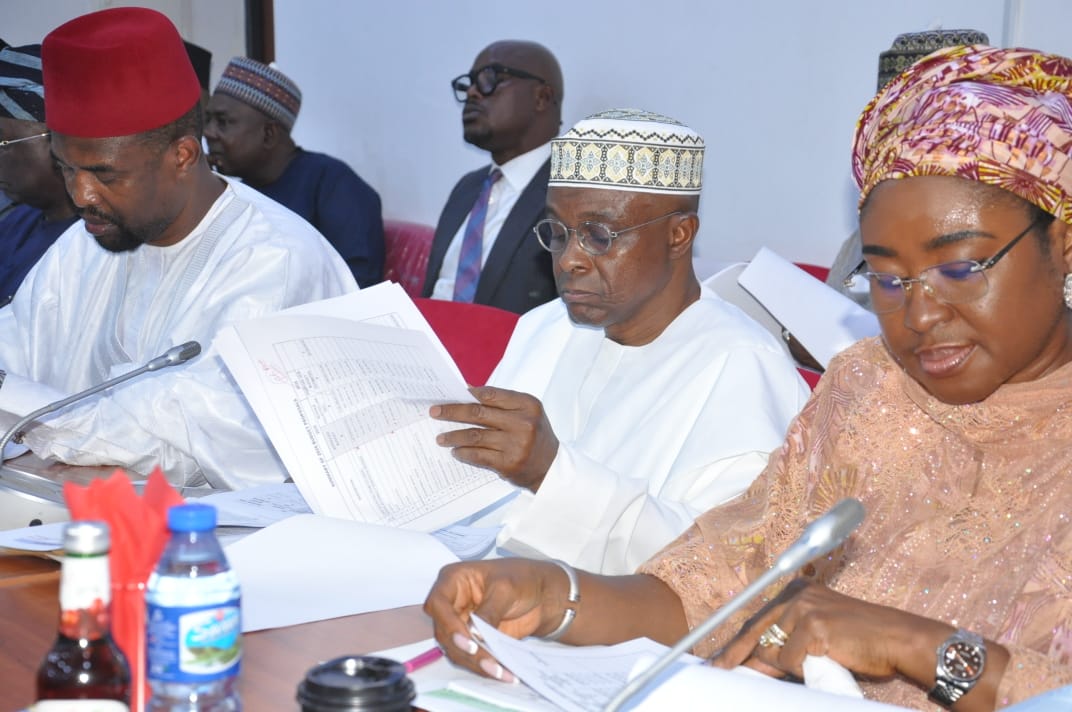
Abubakar Dantsoho, managing director of the NPA, shared this on Monday during the agency’s 2026 budget defence before the senate committee on marine transport.
Dantsoho said the proposed figure is N21 billion higher than the N1.468 trillion revenue target set for 2025, which the authority exceeded.
He said the NPA generated about N1.97 trillion in revenue in 2025.
According to him, N945 billion of the projected 2026 revenue will be allocated to capital projects.
He stated that N447.5 billion will be allocated for operating expenses, while N90.6 billion will be remitted into the consolidated revenue fund.
Dantsoho said the 2026 budget proposal is anchored on the theme ‘consolidation, renewed resilience and shared prosperity’.
He said the modernisation of Apapa and Tin Can Island ports would serve as flagship projects aimed at boosting revenue and improving global competitiveness.
“Apapa and Tin Can Island ports are very old and small for the required global competitors in the ports business,” he said.
“Apapa port is about 100 years old, while Tin Can is over 50 years old with inadequate capacities in size and vessel containment for modernised operations.
“Groundbreaking of projects on their modernisation will commence in two or three weeks’ time.”
Dantsoho added that all revenues generated by the authority are deposited directly into the treasury single account (TSA).
“We do not retain any funds. The central bank is the signatory, and we must apply for funds whenever needed,” he said.
In his remarks, Wasiu Eshinlokun, chairman of the senate committee on marine transport, said the committee’s oversight responsibility over the NPA is collaborative rather than adversarial.
“Our goal is to work with you to strengthen institutional capacity, eliminate inefficiencies, and ensure that every naira appropriated serves the public interest,” he said.