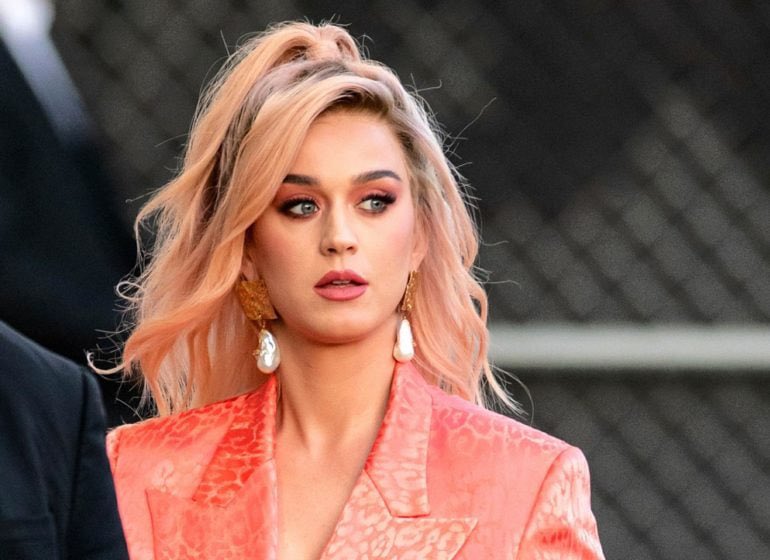
Australian fashion designer Katie Perry has triumphed in her trademark dispute with the American singer Katy Perry.
On Wednesday, a high court in Australia delivered a judgment allowing the designer—whose legal name is now Katie Taylor — to keep her fashion label’s trademark registered.
The court ruled that the fashion designer had not damage the singer’s reputation or caused confusion with her clothing brand.
It added that given the “heightened strength of the singer’s reputation, no ordinary person in Australia after a moment’s reflection” would assume that the ‘Katie Perry’ clothing line was connected to the musician.
The dispute centres on the ‘Katie Perry’ fashion label, which Taylor launched in April 2007 under her maiden name — she changed her surname to Taylor in 2015.
The conflict dates back to when Taylor first registered the business name and applied for a trademark, beginning to sell her clothing at local markets and online in September 2008.
This period coincided with the singer’s meteoric rise to fame following the release of her hit song ‘I Kissed a Girl’.
When Katy — born Katheryn Hudson — performed in Australia for the first time, her team launched an online store selling ‘Katy Perry’ branded merchandise worldwide in October 2008.
Katie had sued Perry in 2024 for selling merchandise during her Australian tour, but the ruling was overturned with the designer’s trademark cancelled.
Reacting to the latest ruling, Katie described the ordeal as an “incredibly long and difficult journey”.
“This has been an incredibly long and difficult journey. But today confirms what I always believed — that trademarks should protect businesses of all sizes,” she said.
However, a representative for Katy disclosed that some issues raised by the singer have been referred back to the federal court of Australia for further consideration, suggesting that while this chapter has concluded, the legal discourse may not be entirely over.