By Abubakar Yunusa
Rural Homes Limited (RHL) has intensified efforts to position the Karmo District Market in Abuja as a structured commercial hub, leveraging Valentine’s Day and the forthcoming Ramadan season to stimulate retail activity and attract investors.
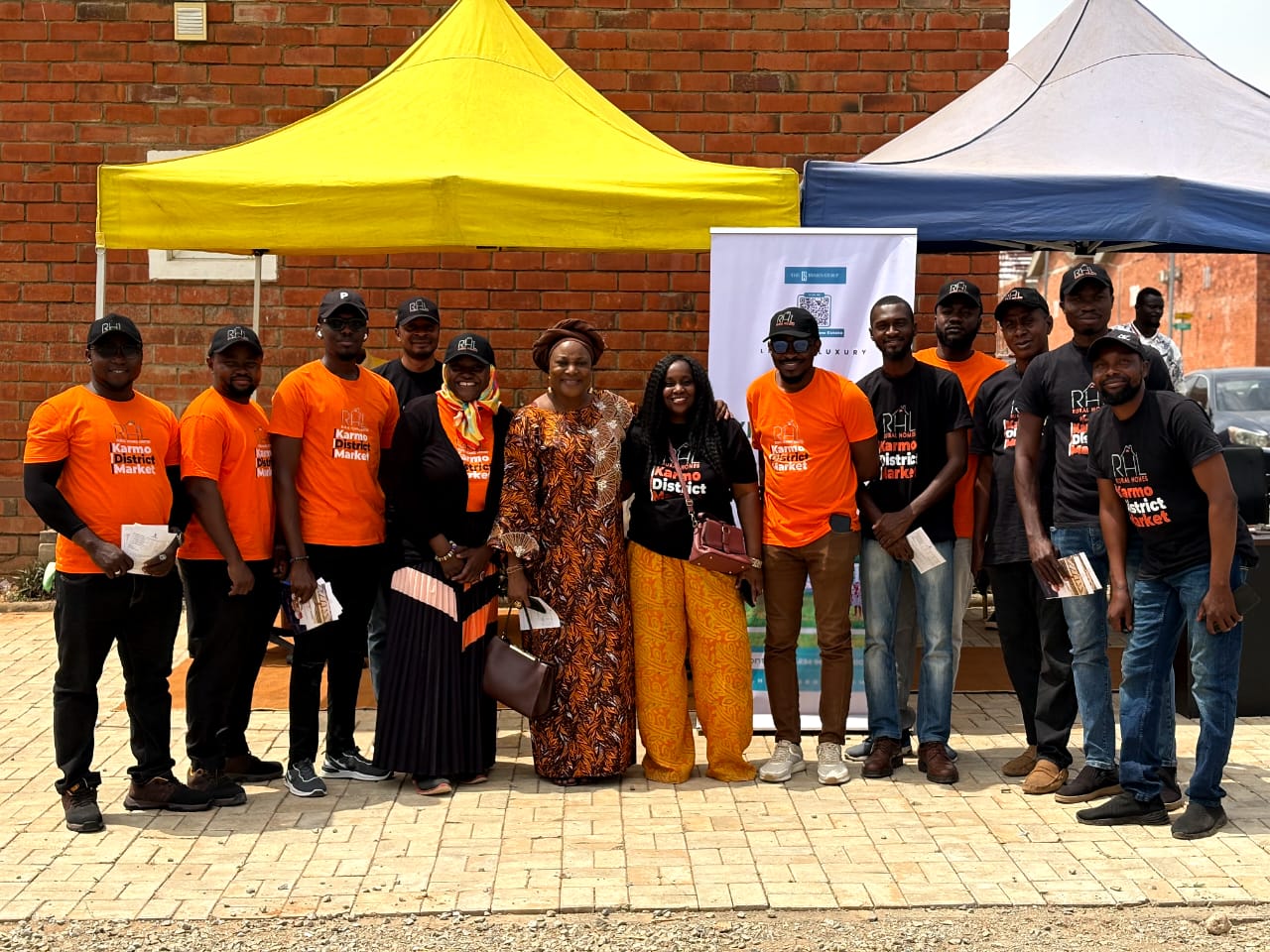
The developer, which specialises in mass housing and commercial real estate, hosted a trade fair at the 10-hectare Karimo District Market as part of a broader strategy to boost occupancy, support SMEs and deepen formal retail investment within the Federal Capital Territory (FCT).
Managing Director, (RHL) Sa’adatu Aliyu, said the initiative was deliberately timed to align with peak consumer spending cycles.
“Valentine’s Day and Ramadan are periods of increased commercial activity. We created this platform so traders and investors can benefit from the surge in demand while also showcasing the strength of this development,” she said.
Aliyu disclosed that the market is not just a retail centre but a structured investment asset.
According to her, early investors who purchased shop units off-plan have recorded significant capital appreciation, with some already reselling in the secondary market.
“Rental spaces range from N100,000 per annum for smaller stalls to between N2 million and N3 million for larger units. Shop purchase prices start from about N7 million, while warehouses measuring 100 square metres with up to 14 metres in height range from N60 million to N80 million.
“Investors have hedged themselves against inflation. As more traders come in, rental values continue to strengthen,” Aliyu said.
She added that the presence of such large-scale commercial infrastructure enhances district-level asset value and stimulates surrounding investments.
Team Lead, Sales, Emmanuel Obochi, said the trade fair also highlights the market’s supply chain advantage, with farmers and wholesalers selling directly to buyers.
“We have participants from states like Katsina and Kano bringing produce straight from farms. By cutting out middlemen, consumers can access goods at discounted rates compared to open markets,” he said.
Head of Administration, Lidadi Bassey, described the market as a fully integrated retail ecosystem designed to formalise trade.
Bassey explained that the facility features designated sections for farmers’ produce, cold rooms, meat processing, textiles, supermarkets and warehouses, alongside embedded infrastructure including security posts, fire service, clinics, banking services and parking for heavy-duty trucks.
“This is more than a conventional market. It is a structured hub built to dignify trade and provide a conducive business environment,” Bassey said.
Louis, a trader, listed prices of goods including stockfish ranging from N2,500 to N4,000 and a crate of eggs at N6,500. “Everything here is affordable. We just need customers to come and patronise us,” he said.
Another participant, who preferred anonymity said while the infrastructure was commendable, awareness remained a challenge.
“This market is growing, but it is inside, not on the roadside. There is need for more advertisement so people know what is happening here,” she said, noting that previous editions of the trade fair recorded impressive turnout.