The Centre for the Promotion of Private Enterprise (CPPE) has commended President Bola Tinubu for approving a 30 percent discount on outstanding debts owed by Nigerian airlines, describing the move as a timely relief for operators facing rising operating costs.
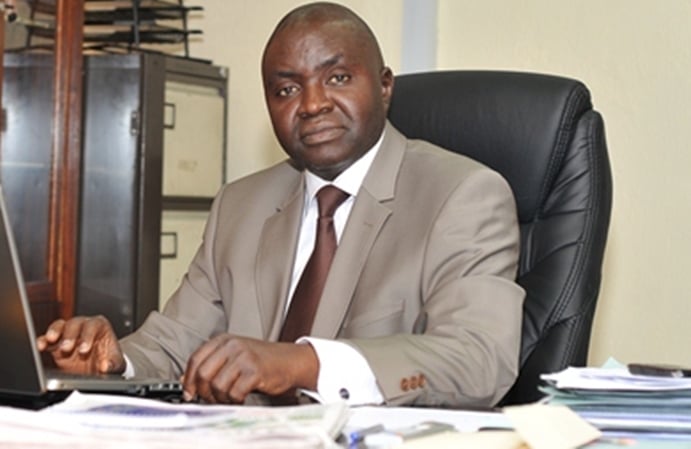
In a statement on Sunday, Muda Yusuf, the chief executive officer (CEO) of the CPPE, said the intervention would offer short-term relief to the airlines.
The CPPE also acknowledged the role of Festus Keyamo, the minister of aviation and aerospace development, noting that his engagement with industry stakeholders has been impactful.
“However, while the debt discount offers short-term respite, it does not address the deeper structural cost challenges confronting the aviation sector,” Yusuf said.
“The burden of multiple taxes, fees and levies imposed by key agencies—including the Nigerian Civil Aviation Authority [NCAA], the Federal Airports Authority of Nigeria [FAAN], and the Nigerian Airspace Management Agency [NAMA]—remains excessively high.
“Industry estimates suggest that these charges collectively account for as much as 35% of airline revenues, a level that is clearly incompatible with the thin margins typical of the aviation business.
“Nigeria’s aviation sector is too strategic to be weighed down by such cost pressures.
“It is central to economic connectivity, trade facilitation, investment flows, business mobility and national integration.
“Yet, the sector continues to suffer from a persistently high airline mortality rate, largely reflecting the difficult and hostile operating environment.”
The CPPE boss urged the government to undertake a comprehensive rationalisation of aviation charges.
He said the current regime — spanning ticket sales charges, cargo sales charges, passenger service charges, landing and parking fees, aircraft inspection charges, administrative and facility fees, boarding bridge charges, fuel-related charges, and import duties on aircraft and spare parts — is “overly burdensome, fragmented and detrimental to the sustainability of domestic airline operations”.
“A streamlined and moderated cost structure is imperative. Reducing both the multiplicity and magnitude of these charges will significantly enhance the viability, competitiveness and resilience of domestic airlines,” the CEO said.
“This is not only an economic imperative but also a safety consideration, as excessive financial pressure on operators could have unintended consequences for operational standards.”
Yusuf said government support for the aviation sector should go beyond debt relief and focus on comprehensive reforms to create a more sustainable operating environment.
On April 15, Nigerian airlines threatened to suspend nationwide operations from April 20, 2026, over the rising cost of aviation fuel.
In his intervention, Tinubu approved a 30 percent discount on debts owed by domestic airlines to aviation agencies to cushion the impact of the fuel cost.