A new report has found that the growing impact of climate change is increasingly disrupting elections, with floods, wildfires, and extreme weather shaping electoral processes across the world.
The study, titled ‘Managing Natural Hazards and Climate Risks in Elections’, was published on Wednesday by the International Institute for Democracy and Electoral Assistance, an intergovernmental organisation that aims to support democracy around the world.
According to the report, at least 94 election events across 52 countries were disrupted by natural hazards between 2006 and 2025.
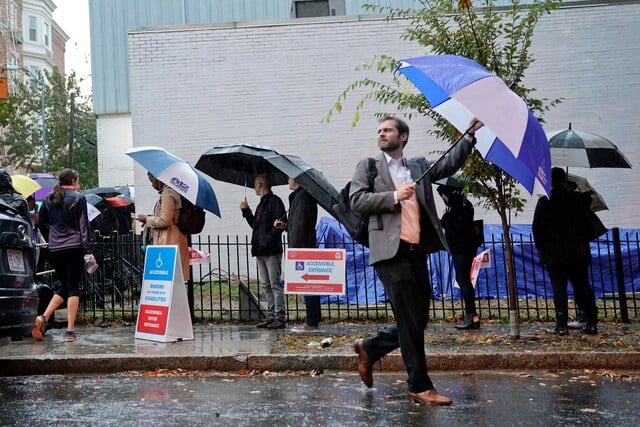
The study noted that during the 2024 global election cycle, 23 elections in 18 countries, including Nigeria, Kenya, Senegal, and the United States, were affected by disasters such as floods, heatwaves, and storms.
The report said the number of natural hazards has tripled over the past four decades, warning that elections will increasingly face disruption as climate risks intensify.
“Election management bodies (EMBs) have always had to cope with natural hazards, but the threat posed by such phenomena has become more apparent in recent years,” the report reads.
“During the 2024 super-cycle year of elections, at least 23 elections, including primary, local, national, and supranational polls in 18 countries, were affected by natural hazards, impacting millions of voters around the world.
“Countries affected included Austria, Bosnia and Herzegovina, Brazil, Canada, Czechia, Iceland, India, Indonesia, Iran, Kenya, Maldives, Mexico, Mozambique, Nigeria, Romania, Senegal, Tuvalu, and USA. Many of these events were exacerbated by climate change, further disrupting activities at multiple stages of the electoral cycle.”
The study said disasters have affected multiple stages of the electoral cycle, including campaigning, voting, and result collation.
The report cited Mozambique’s 2019 election, where Cyclone Idai displaced thousands of voters and damaged infrastructure, impacting electoral outcomes.
The study noted that people were forced to move to safer locations, adding that this “affected the results of the presidential election and the distribution of legislative and provincial seats”.
In Senegal, flooding during the 2024 parliamentary elections forced emergency responders to assist election observers to polling units.
It said heatwaves have also emerged as a growing challenge, with at least 10 elections since 2022 affected by extreme temperatures. In the Philippines, intense heat disrupted voting machines during a general election.
Sarah Birch, co-author of the report, said election timelines may need to be adjusted to avoid predictable climate risks.
The professor of politics at King’s College London noted that the US still holds elections in November, despite it coinciding with the hurricane season.
“Elections should be held when disasters are least likely,” Birch said.
“In some cases, electoral management bodies will also need to consider alterations to election timelines to reduce the likelihood of disruption by short-lived disasters.”
The report recommended closer collaboration between electoral bodies, meteorological agencies, and disaster response organisations to safeguard elections.