Stakeholders in Nigeria’s health sector say the country has recorded a 233 per cent increase in immunisation financing over the past two years.
However, delays in fund releases continue to threaten vaccine availability and service delivery across the country.
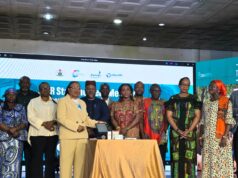
They disclosed this on Wednesday in Abuja at a media engagement on immunisation financing and zero-dose children.
The event was organised by Vaccine Network for Disease Control (VNDC) under the PREACH Project, supported by Gavi, the Vaccine Alliance, through the Global Health Advocacy Incubator.
The stakeholders noted that funding rose from N69.57 billion in 2023 to N231.74 billion in 2025, the highest allocation so far, but only N68.8 billion has been released, exposing gaps between approvals and disbursement.
Chika Offor, chief executive officer of VNDC, said the delays posed risks to vaccine supply chains, routine immunisation, and efforts to reach zero-dose children across underserved communities.
“While media attention has sometimes triggered partial fund releases, such momentum often fades, allowing systemic bottlenecks to persist,” she said, stressing the need for sustained advocacy and accountability.
She explained that the PREACH project aimed to promote policy reforms, improved domestic resource mobilisation, and strengthened accountability in immunisation and primary healthcare financing across the country.
Ms Offor called for deliberate and sustained media engagement to prioritise immunisation financing while highlighting proposals to boost funding, including increasing the Basic Health Care Provision Fund from one to two per cent.
“Other proposals include allocating part of Federation Account resources to health commodities, reforming taxes on sugar-sweetened beverages, and establishing an Immunisation Trust Fund to ensure long-term sustainability,” she said.
Moji Makanjuola, media expert and chair of the Nigeria Universal Health Coverage (UHC) Forum, emphasised the role of community-driven advocacy.
She emphasised that grassroots storytelling could accelerate government response and improve accountability in healthcare delivery.
She cited a case from Kwali where local voices highlighted challenges, leading to action and fund release within a week, demonstrating the power of community-focused reporting in influencing policy decisions.
Ms Makanjuola said field reports showed varying levels of awareness, with some communities actively demanding immunisation services while others still faced access barriers and systemic challenges in healthcare delivery.
She cautioned that public discourse often prioritised expert opinions over grassroots realities, urging journalists to amplify community voices through field reporting, visual evidence, and human-centred storytelling.
Emmanuel Alhassan, Nigeria coordinator for prevent epidemics/immunisation programmes at Global Health Advocacy Incubator, said that community-focused reporting had led to tangible improvements in primary health care.
He said that some communities continued to reach out for urgent interventions and support, highlighting the ongoing importance of grassroots engagement in strengthening healthcare delivery.
He urged the media to move beyond elite conversations and amplify ordinary Nigerians’ voices, noting that stronger collaboration among stakeholders was key to improving health outcomes for children and vulnerable populations.
The participants agreed sustained grassroots engagement and collaboration among media, civil society, and communities are essential for responsive and inclusive healthcare governance.
(NAN)