Health stakeholders under the One Health sector have launched a mobile application aimed at tackling the circulation of fake antibiotics and shortages of genuine medicines in communities.
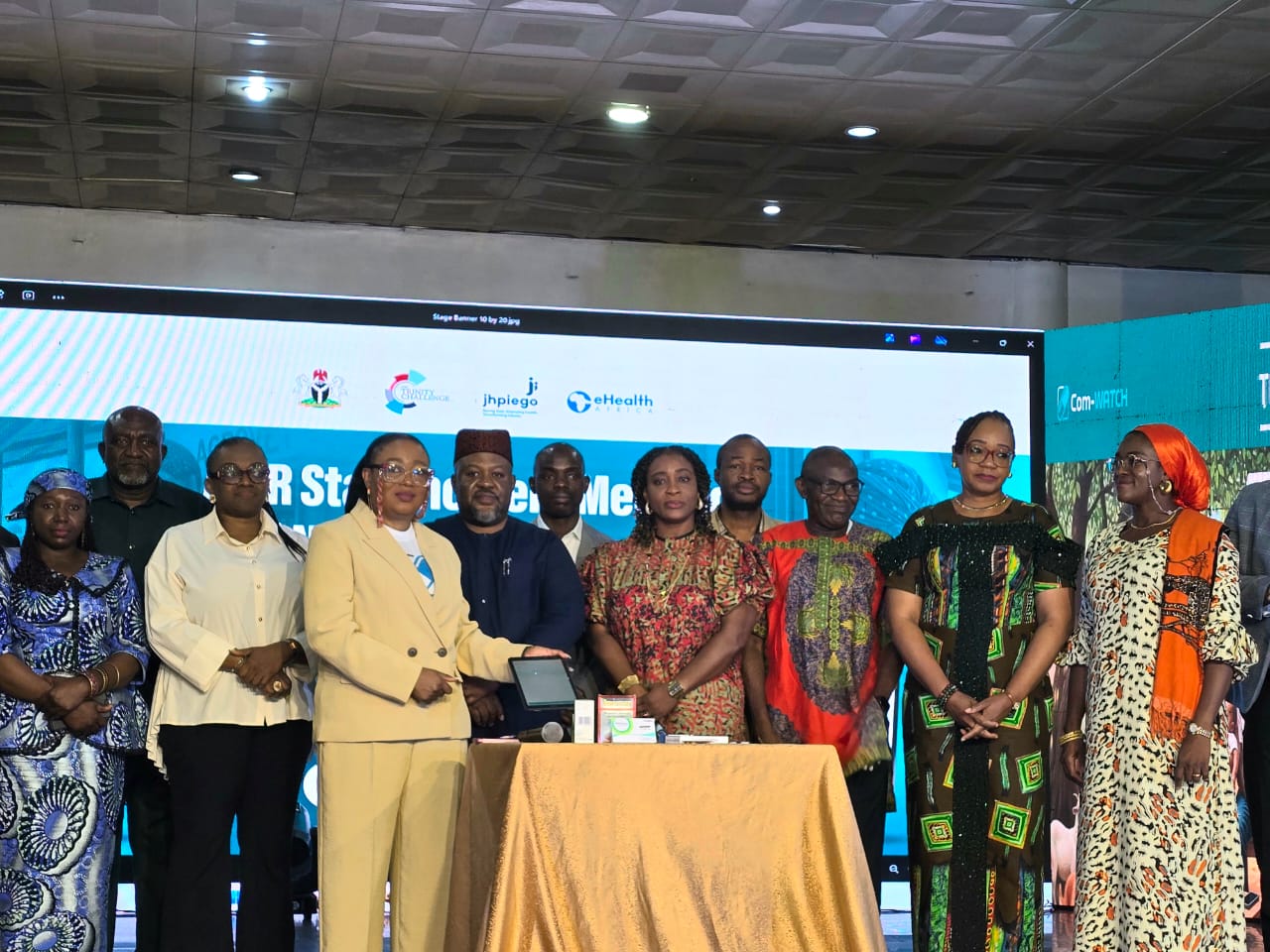
The application, known as Community Access to Effective Antibiotics (COM-WATCH), was unveiled in Abuja on Thursday as part of efforts to curb antimicrobial resistance in Nigeria.
The initiative is being led by Jhpiego in partnership with eHealth Africa, with support from regulators including the Nigeria Centre for Disease Control, the National Agency for Food and Drug Administration and Control, and other key agencies.
Speaking with journalists on the sidelines of the launch, the Project Director of COM-WATCH, Yemisi Ogundare, said the application would help communities verify the safety of antibiotics and monitor drug stocks in real time.
She explained that the technology-driven solution would address the growing circulation of substandard and falsified antibiotics, which often undermine treatment and worsen antimicrobial resistance.
Ogundare said, “Today is a remarkable day for us because we are launching the Community Access to Effective Antibiotics Project. Antibiotic resistance continues to be a major public health challenge not only in Nigeria but across the world.”
She noted that more than 40 per cent of the disease burden globally has been affected by antimicrobial resistance.
According to her, the project emerged after Jhpiego and eHealth Africa secured a competitive grant funded by the Trinity Challenge in the United Kingdom.
“Last year, we applied for a grant funded by Trinity Challenge UK. Over 200 applications came from more than 50 countries, and Nigeria won,” she said.
Ogundare added that the mobile application allows community members to check the authenticity of antibiotics before using them.
“The aim is to get communities to tell us how they are accessing antibiotics and what antibiotics they are using. We developed an application called COM-WATCH.
“The tool allows the mother in the village, the agro-vet farmer and others to confirm whether the antibiotics they have are safe before use,”Ogundare said.
She explained that the platform also helps patent medicine vendors, agro-vets, community pharmacists and health workers manage their stock.
According to her, the system can send alerts when drugs are close to expiry and notify users about possible quality concerns.
Ogundare said the application, currently available on Android devices, uses artificial intelligence and machine learning to verify drugs.
“When you upload a picture of a drug on the app, it checks it against the NAFDAC Greenbook and confirms whether the medicine is verified or not,” she explained.
She added that the system would generate valuable data for regulators to monitor antibiotic supply, identify expiring medicines and detect fake drugs circulating in communities.
“This will help agencies such as NAFDAC and the NCDC take informed regulatory actions,” she said.
Also speaking, the Deputy Director of Partnerships and Programmes at eHealth Africa, Dr David Akpan, said the project was designed as a digital response to the growing threat of antimicrobial resistance.
Akpan said “This particular project responds to one of the major public health challenges around antimicrobial resistance.
“We worked together with Jhpiego to design a technology solution funded by the Trinity Challenge, and the solution is COM-WATCH.”
He explained that the platform would enable community pharmacies, patent medicine vendors and agro-vet stores to manage their antibiotic stock while also verifying the authenticity of the medicines.
Akpan added that every antibiotic scanned through the system would be verified using data from the NAFDAC Greenbook.
He said the solution would also provide regulators with critical data to guide policy decisions on antibiotic use in Nigeria.